


In today’s fast-moving world of infrastructure and utility development, excavation has to be precise and safe. Traditional digging often carries a risk of damaging underground lines and disrupting the surrounding area. That’s why hydro excavation has become the preferred excavation method for contractors and municipalities across the Midwest. By using a combination of high-pressure water and vacuum suction, crews can excavate soil with remarkable accuracy while keeping the worksite safer and cleaner.
For anyone new to the process, think of this as excavation 101—a breakdown of everything you need to know about why hydrovac excavation is quickly reshaping how we dig.
What Exactly Is Hydro Excavation?
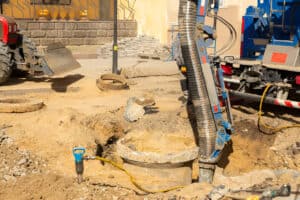
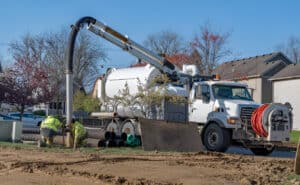
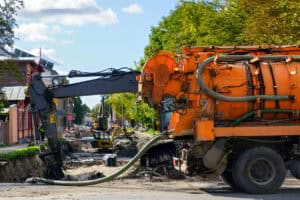
Hydro excavation is a method that uses pressurized water to break down soil and a powerful vacuum to remove the soil and debris. The result is a non-destructive and highly controlled way to expose underground utilities without causing damage. Unlike traditional excavation methods, such as a backhoe or other forms of mechanical excavation, hydro excavation requires specialized equipment. A hydrovac truck—sometimes called a hydro excavator—is equipped with water tanks, pumps, and a debris tank. These units let the operator soften the soil, create a slurry, and remove the soil safely.
This process allows teams to locate underground utilities, perform potholing or daylighting, and dig at various diameters and depths while reducing the risk of injury or damage to underground utilities.
The Core Components of Hydro Excavation
The process revolves around a few key pieces of hydro excavation equipment:
- High-Pressure Water Systems: A high-pressure water jet cuts through soil and even frozen ground, helping to soften the soil. In winter, heated water can melt the ice and tackle frozen soil conditions.
- Industrial Vacuum Systems: Using either a fan system or a positive displacement blower, the vacuum excavation unit creates strong suction to remove soil and debris. A fan system provides speed for short-distance work, while a blower or positive displacement blower handles excavation from a greater distance from the truck.
- Debris Management: As water is used to loosen soil, the resulting slurry is collected in the debris tank of the hydro excavation trucks, then properly handled and dumped at a safe location with the proper dump height.
Together, these systems create a safe hydro excavation process that delivers a higher level of precision than traditional methods.
Step-by-Step: How the Hydro Excavation Process Works
Preparing the Worksite
Every excavation site starts with planning. Crews identify and mark utility lines, then set up the hydrovac truck for the job.
Breaking Down Soil with High-Pressure Water
High-pressure water is used to carve into the ground and remove the soil in a controlled way. This water loosens compact earth and eliminates the need for aggressive mechanical excavation.
Vacuuming and Containing the Slurry
The slurry of soil and debris is collected through vacuum suction and transferred into the truck’s tank. This keeps the excavation site clean and minimizes disruption to the surrounding area.
Safely Exposing Utilities
As crews continue using hydro excavation, they expose critical lines—whether gas mains, water pipes, or fiber optic cables—without causing damage. This makes excavation safe, accurate, and more efficient for every specific job.
Why Hydro Excavation Outperforms Traditional Digging
When you compare excavation styles, the advantages of hydro become clear.
- Safety First: By minimizing the risk of damaging buried utility lines, hydro excavation helps reduce the risk of accidents and injuries.
- Efficiency and Safety: A cleaner excavation site, less backfill, and faster completion times help eliminate costly delays.
- Accuracy and Precision: This excavation method delivers a superior way to excavate soil with less rework. It’s an excellent option for piling hole excavation, trenching, or daylighting.
Simply put, hydro excavation is the smarter way to excavate soil—one that balances efficiency and safety for modern excavation projects.
Industries and Applications for Hydro Excavation
Hydro excavation has wide-ranging applications:
- Municipal Infrastructure: Sewer repairs, street projects, and potholing tasks all benefit from this method that uses water and vacuum.
- Utility Work: Safely expose or install utility lines and avoid costly repairs.
- Construction and Industrial Sites: Foundations, trench digging, and excavation using hydrovac units keep projects precise.
- Cold Weather Excavation: Heated water can melt the ice and cut through frozen soil, keeping projects running year-round.
Even a trailer-mounted unit can be used on smaller projects where a full hydrovac truck isn’t required.
Armor Equipment: Supporting Hydro Excavation in the Midwest
For over 50 years, Armor Equipment has provided contractors and municipalities with the right hydro excavation truck and support services. Serving Missouri, Illinois, Iowa, Kansas, and Nebraska, they understand that downtime isn’t an option.
Their parts department is stocked for hydro excavation trucks, vacuum excavators, and related hydrovac equipment. Whether it’s OEM or aftermarket parts, or expert technicians to service hydrovac units, Armor Equipment ensures contractors stay productive.
When the job calls for a tough, reliable hydrovac truck, Armor Equipment is the partner that keeps your fleet excavation safe and ready.
The Future of Excavation in the Heartland
As more industries embrace hydrovac excavation, the demand for safe, precise, and efficient excavation projects will continue to rise. From potholing to large-scale trenching, hydro excavation requires the right technology and support. With companies like Armor Equipment providing dependable hydro excavation trucks, parts, and expert service, the future of excavation in the Midwest is in good hands.


